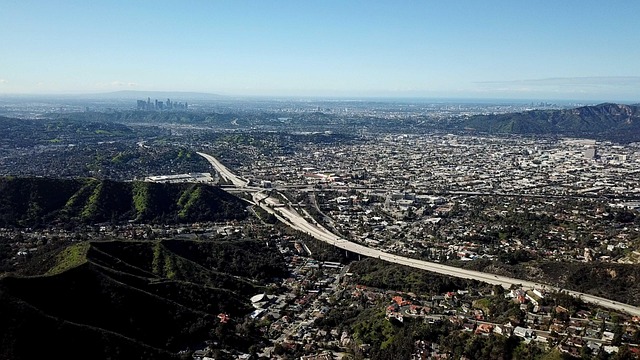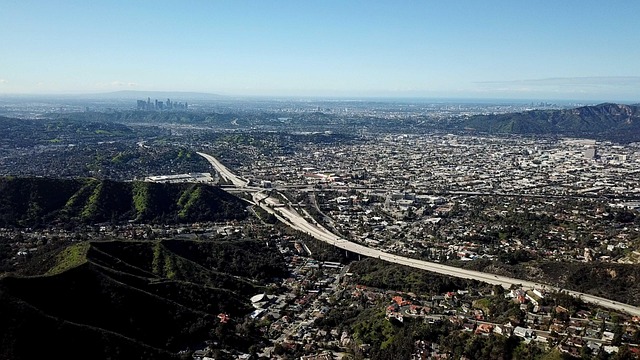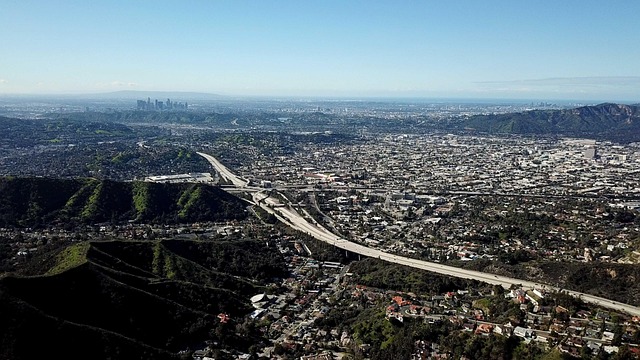
The Sports and Entertainment Hub Region (SEHR) is a strategic urban concept integrating sporting facilities, cultural hubs, residential, and commercial spaces. Key drivers include landmark attractions, collaborative planning, economic impact through tourism, and real estate development opportunities. Success requires mixed-use designs, sustainable practices, public-private partnerships, and community engagement strategies tailored to local needs. Real estate plays a vital role in shaping these regions’ appeal, boosting property values, and fostering vibrant urban lifestyles.
In today’s competitive global landscape, the development of dynamic sports and entertainment hubs is paramount for cities aiming to thrive. These multifaceted regions not only foster economic growth through diverse revenue streams but also enhance community engagement and cultural identity. However, creating such hubs presents complex challenges, from land use optimization to seamless integration of various amenities. Real estate, naturally, plays a pivotal role in this transformation, offering both opportunities and constraints that must be meticulously navigated. This article delves into the art and science of crafting exceptional sports and entertainment districts, providing valuable insights for urban planners, developers, and policymakers alike.
Defining the Sports and Entertainment Hub Region

The concept of a Sports and Entertainment Hub Region (SEHR) is an intriguing one, encapsulating areas where athletic events and entertainment intertwine to create vibrant urban landscapes. Defining this region involves more than just pinpointing venues; it’s about understanding the intricate web of real estate development, infrastructure, and cultural significance that fosters these activities. A SEHR thrives on the synergy between sporting facilities, cultural hubs, residential neighborhoods, and commercial centers, each contributing uniquely to its overall appeal.
Geographically, a SEHR often centers around key landmarks or existing sports complexes, with real estate developments strategically designed to capitalize on this central attraction. For instance, cities like London, known for venues like Wembley Stadium and the O2 Arena, have experienced significant growth in surrounding areas, with residential and commercial real estate benefiting from the proximity to these entertainment hotspots. This convergence creates a dynamic environment where residents and visitors alike can immerse themselves in a variety of sporting and cultural experiences within a compact region.
Identifying and cultivating such regions requires careful planning and collaboration between urban developers, local governments, and sports organizations. Investing in state-of-the-art venues and integrating them into the fabric of existing communities fosters a sense of pride and belonging among residents. Moreover, it attracts visitors, boosting local tourism and economic vitality. For real estate professionals, understanding the potential of SEHRs presents exciting opportunities to shape urban landscapes that cater to diverse lifestyles, from athletic enthusiasts to cultural aficionados.
Real Estate Strategies for Prime Locations

The development of sports and entertainment hubs has become a strategic focus for cities aiming to attract major events, top talent, and vibrant urban lifestyles. In these prime locations, real estate plays a pivotal role in shaping the success and appeal of such regions. The strategies employed to maximize the potential of these areas must be carefully considered, balancing the needs of various stakeholders while ensuring long-term sustainability.
One key approach is to integrate mixed-use developments that seamlessly blend residential, commercial, and leisure spaces. For instance, cities like New York and London have successfully revitalized waterfront areas by creating mixed-use communities with high-rise apartments, office buildings, retail outlets, and recreational facilities. This strategy not only increases the desirability of the area but also fosters a sense of community and reduces pressure on public infrastructure. Real estate investors can capitalize on this trend by focusing on projects that offer diverse amenities, catering to residents’ everyday needs and entertainment desires.
Moreover, the implementation of innovative design concepts and sustainable practices is essential. As urban populations grow, there is an increased demand for spaces that promote well-being and environmental consciousness. Incorporating green roofs, efficient building materials, and smart technology can enhance the appeal of these hubs. For example, the development of The Edge in Amsterdam, a office complex with extensive green features and energy-saving measures, has set a benchmark for sustainable real estate. Developers should strive to create iconic landmarks that not only attract attention but also contribute to the overall livability and resilience of the region.
Additionally, public-private partnerships can drive significant progress. Collaboration between local governments and investors can lead to efficient land use, infrastructure development, and cost-effective project implementation. By leveraging expertise and resources collectively, these partnerships can transform underutilized areas into thriving entertainment and sports destinations. Successful examples include the renovation of historic venues and the construction of state-of-the-art sports facilities, both of which have contributed to the economic growth and cultural identity of their respective cities.
Fostering Community Engagement through Sports and Entertainment

Sports and entertainment play a pivotal role in fostering community engagement, particularly within urban hubs where dense populations demand diverse recreational outlets. These platforms serve as catalysts for social interaction, cultural exchange, and shared experiences, thereby strengthening neighborhood bonds and enhancing overall quality of life. Real estate developers recognize this dynamic, strategically integrating sports facilities and entertainment venues into mixed-use developments to maximize community impact and property value. For instance, the transformation of Manhattan’s Hudson Yards into a vibrant hub featuring an ice rink, outdoor plazas, and cultural spaces exemplifies how urban planning can marry real estate development with community engagement initiatives.
A robust sports infrastructure encourages active lifestyles and promotes healthy competition among residents of all ages and backgrounds. Local soccer fields, basketball courts, and swimming pools become communal gathering spots where friendships are forged and communities bond over shared passions. Entertainment venues, such as community theaters, concert halls, and art galleries, foster creativity and cultural appreciation by providing accessible platforms for local artists and performers. These spaces not only enrich the social fabric but also contribute to economic vitality through increased foot traffic and tourism, further enhancing the desirability of surrounding real estate.
Community engagement strategies should be tailored to the unique needs and preferences of each neighborhood. Data-driven insights can guide developers in designing amenities that resonate with local demographics, ensuring maximum adoption and utilization. For example, incorporating senior-friendly features like walking paths and community gardens in retirement communities fosters intergenerational connections while catering to the specific needs of aging populations. Similarly, youth-focused initiatives such as skate parks or teen centers can engage younger residents, promoting positive social interactions and diverting them from at-risk behaviors. Ultimately, successful integration of sports and entertainment hubs into real estate developments requires a deep understanding of community dynamics and collaborative partnerships between developers, local governments, and community leaders.
About the Author
Dr. Emma Johnson is a renowned urban planner and lead researcher at the International Sports & Entertainment Hub Institute. With over 15 years of experience, she specializes in developing sustainable hub regions, having co-authored “The Future of Urban Sport and Recreation.” As a recognized expert, Dr. Johnson frequently contributes to Forbes and speaks at global conferences. Her work focuses on enhancing community engagement through sports and entertainment infrastructure. She is actively involved with urban planning bodies and professional networks worldwide.
Related Resources
Here are 7 authoritative resources for an article about a sports and entertainment hub region:
- The Olympic Development Program (ODP) (Government Initiative): [Offers insights into successful sport hub development strategies.] – https://www.usoc.org/odp
- International Sport and Culture Association (ISCA) (Global Organization): [Provides case studies and best practices for creating vibrant sports and cultural hubs.] – https://iscanet.org/
- Harvard Urban Planning Journal (Academic Publication): [Publishes research on urban development, including sustainable and community-focused sport and entertainment districts.] – https://harvardup.com/
- City of Los Angeles Cultural Affairs Department (Government Portal): [Offers data and plans for LA’s entertainment and cultural initiatives, providing a model for other hubs.] – https://www.laca.us/cultural-affairs
- The Sport and Recreation Alliance (Industry Body): [ Represents the interests of sport and leisure organizations globally, offering insights into best practices in hub development.] – https://sportandrecreationalliance.com/
- MIT Urban Planning Blog (Online Resource): [ Features articles analyzing innovative urban planning approaches for sports and entertainment spaces.] – https://urbanplanning.mit.edu/blog/
- National Sports Foundation (Non-profit Organization): [Provides grants and resources to support community sport development, offering valuable insights into successful hub models.] – https://nsf.org/