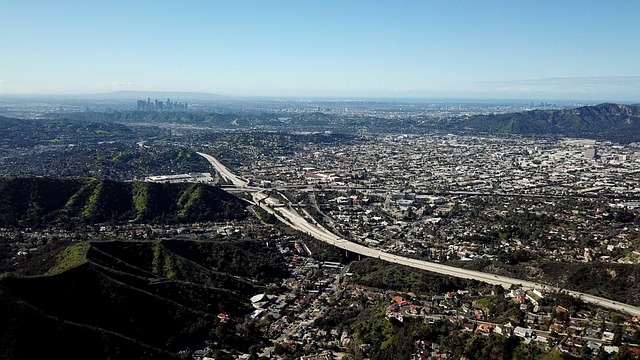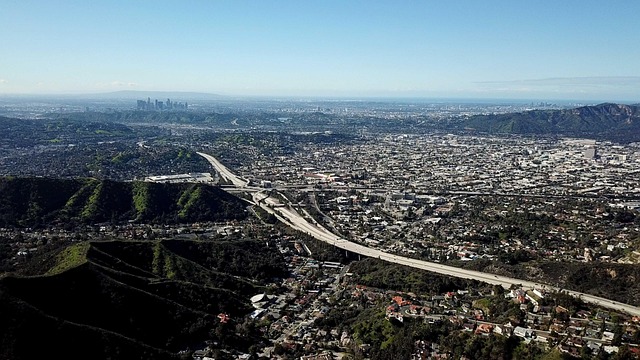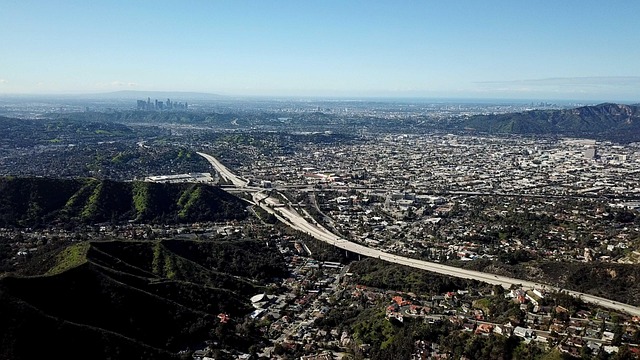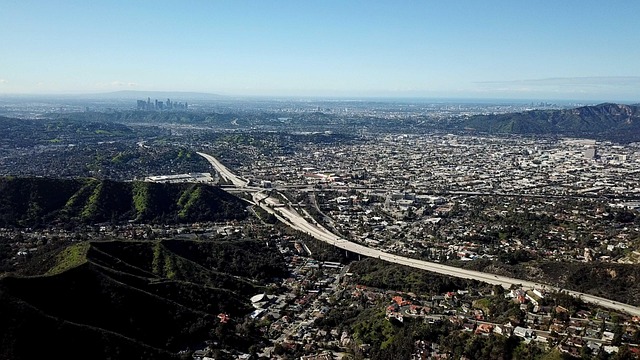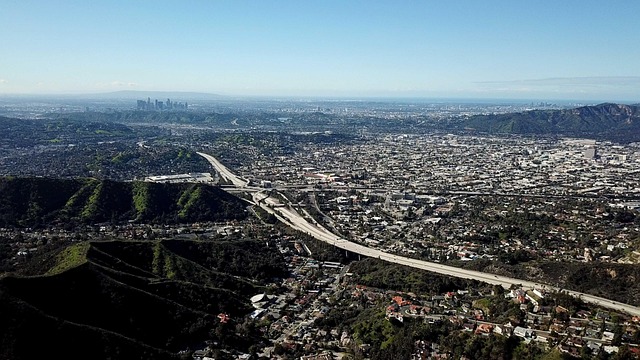
Real estate professionals play a key role in vibrant neighborhoods by identifying potential within historic and modern developments, guiding clients towards investments that enhance community vitality. Growth in dynamic urban areas is driven by mixed-use strategies combining residential, commercial, and retail spaces, featuring innovative design, adaptive reuse, and sustainable practices. Successful business districts and neighborhoods rely on robust infrastructure including efficient transportation, reliable utilities, and advanced communication systems, attracting businesses and fostering economic growth.
In today’s dynamic urban landscape, thriving business districts and vibrant neighborhoods are engines of economic growth. This article delves into the pulsating heart of these communities, exploring strategies for real estate developers looking to navigate this dynamic environment. We uncover insights on growing diverse businesses, the critical role of infrastructure, and how these factors intertwine to foster success. By understanding these key drivers, real estate professionals can capitalize on opportunities and contribute to thriving urban hubs.
Understanding the Pulse of Vibrant Neighborhoods

Vibrant neighborhoods are more than just a collection of buildings and businesses; they’re a pulsating heart of community and culture. To truly understand their appeal in real estate, one must grasp the energy that flows through bustling streets, where folks gather to dine, shop, and socialize. These areas thrive on diversity, fostering an environment that caters to various lifestyles and interests. The symphony of sights and sounds creates a unique atmosphere that captivates residents and visitors alike, making them want to stay and be part of the fabric.
Real estate professionals play a pivotal role in recognizing and capitalizing on this dynamic nature. By navigating the labyrinthine paths of these neighborhoods, they can uncover hidden gems—from historic buildings with stories to tell to modern developments that embrace sustainable practices. Understanding the pulse of vibrant neighborhoods allows real estate experts to guide clients towards investments that not only thrive financially but also contribute to the thriving community fabric, ensuring a lasting impact.
Real Estate Strategies for Growth and Diversification

To fuel growth in bustling business districts and vibrant neighborhoods, real estate plays a pivotal role. Strategies for diversification should focus on mixed-use developments that combine residential, commercial, and retail spaces. This integrated approach not only enhances the livability and appeal of areas but also attracts diverse demographics, including young professionals, families, and retirees. By incorporating modern amenities, green spaces, and transportation hubs within these districts, real estate investors can create thriving communities that cater to a wide range of needs.
Additionally, embracing innovative design concepts and sustainable practices can set apart these neighborhoods. Adaptive re-use of existing structures, for instance, not only reduces construction costs but also preserves historical character, making them attractive to environmentally conscious residents and businesses alike. Real estate strategists should also consider partnerships with local governments to implement smart city technologies, such as efficient energy systems and robust digital infrastructure, which will further elevate the appeal and competitiveness of these vibrant business districts and neighborhoods.
The Role of Infrastructure in Fostering Business District Success
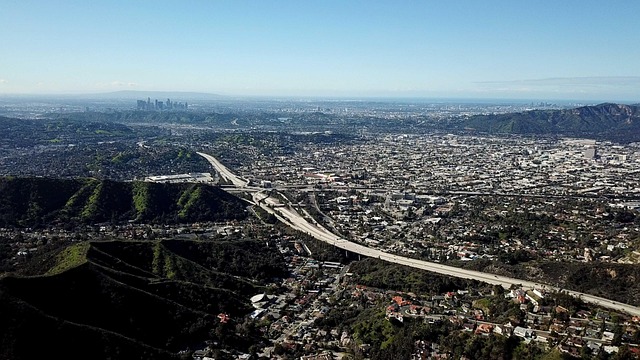
The success of business districts and vibrant neighborhoods is intrinsically linked to robust infrastructure, which serves as the backbone for any thriving urban area. Well-developed real estate projects that prioritize efficient transportation networks, reliable utilities, and state-of-the-art communication systems create an environment conducive to economic growth. Easy accessibility through various transport modes encourages foot traffic, fostering a bustling atmosphere that attracts businesses and residents alike.
Furthermore, infrastructure plays a pivotal role in connecting different areas within the district, promoting seamless interactions between commercial, residential, and recreational spaces. Well-planned road networks, efficient waste management systems, and robust digital connectivity ensure that the business district remains competitive, appealing to both established enterprises and startups seeking dynamic locations to set up shop.