Understanding urban growth patterns is crucial for real estate success, guiding strategic decisions on land acquisition, development, and investment. Real estate dynamics are driven by demographic shifts, infrastructure developments, and people's preferences, with remote work boosting suburban demand and CBDs evolving into vibrant neighborhoods. Developers create thriving areas through mixed-use projects, walkable designs, and green spaces. Sustainable expansion requires holistic planning, green building practices, and inclusive stakeholder involvement to balance economic vitality with neighborhood character preservation.
Urban landscapes are evolving, with business districts and neighborhoods experiencing dynamic growth. This article explores the factors behind this transformation, delving into real estate trends that shape vibrant communities. We analyze patterns of urban expansion, uncovering key drivers fostering neighborhood development. Additionally, sustainable strategies for business district growth are presented, offering insights for professionals navigating this thriving sector within the real estate industry.
Understanding Urban Growth Patterns in Real Estate

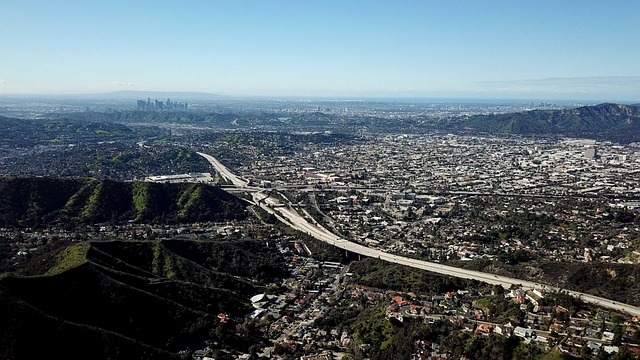
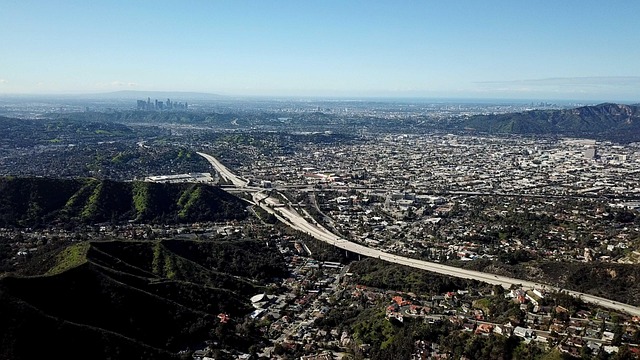
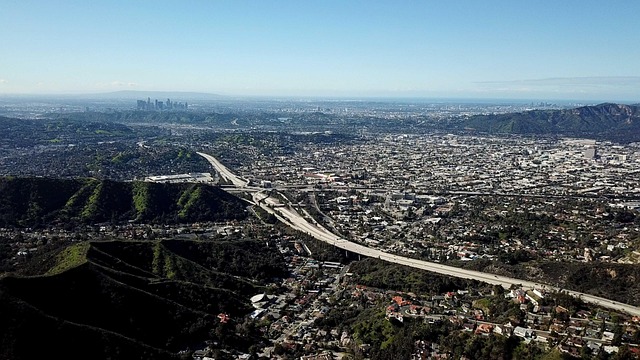
Understanding urban growth patterns is pivotal in the real estate sector, as it dictates where and how businesses and neighborhoods flourish. By studying historical trends, demographic shifts, and infrastructure developments, investors and developers can anticipate areas poised for expansion. This strategic insight enables them to make informed decisions regarding land acquisition, property development, and investment allocation.
Real estate dynamics are heavily influenced by the migration of people, job opportunities, and lifestyle preferences. For instance, the rise of remote work has led to a dispersed urban growth pattern, with an increase in demand for housing in suburban areas offering quieter environments and better work-life balance. Conversely, central business districts (CBDs) undergo metamorphosis as they adapt to new retail and entertainment needs, transforming into vibrant neighborhoods that cater to diverse lifestyles.
Factors Driving Vibrant Neighborhood Development
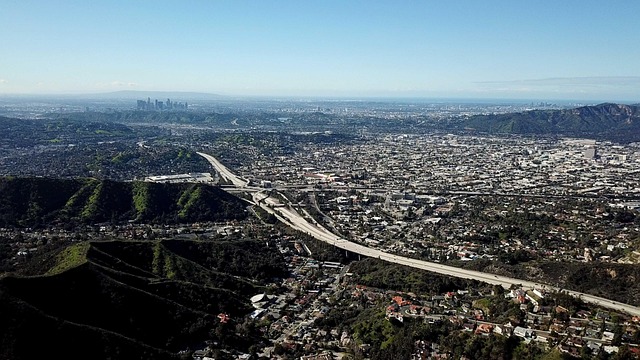
Vibrant neighborhoods and growing business districts are often driven by a confluence of factors, primarily centered around real estate dynamics. The availability and accessibility of quality housing play a pivotal role, attracting residents who contribute to a thriving community. Close proximity to essential amenities like schools, healthcare facilities, and recreational spaces further enhances the appeal, fostering a sense of belonging and convenience that fosters sustained growth.
Real estate developers and investors also significantly influence neighborhood development. Strategic investments in mixed-use projects, integrating residential, commercial, and retail spaces, create diverse, bustling hubs. Innovative designs that prioritize walkability, bike-friendly infrastructure, and green spaces contribute to the overall quality of life, encouraging a vibrant exchange of ideas and cultural experiences—essential elements for any thriving business district and neighborhood alike.
Strategies for Sustainable Business District Expansion
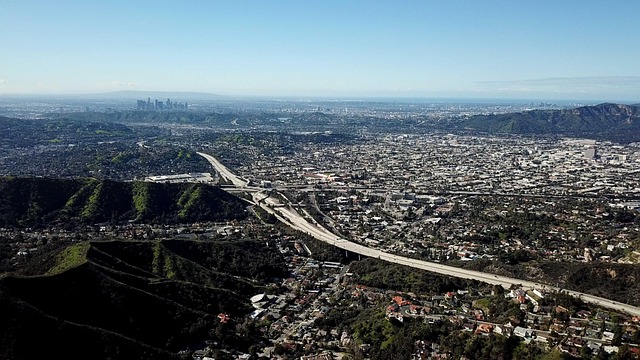
Expanding business districts sustainably requires a multifaceted approach, integrating environmental, economic, and social considerations. Real estate developers play a pivotal role in this process by prioritizing green building practices, incorporating renewable energy sources, and designing spaces that promote walkability and public transport usage. This not only reduces carbon footprints but also enhances the quality of life for residents and workers.
Strategic land use planning is another key component. This involves careful analysis of existing infrastructure, community needs, and potential growth corridors. By fostering collaboration between stakeholders—including local governments, businesses, and community organizations—developers can create mixed-use districts that offer a balance of residential, commercial, and recreational spaces. Such inclusive development ensures economic vitality while preserving the neighborhood’s unique character.