Strategic location selection and real estate development are crucial for creating successful sports and entertainment hubs. These hubs thrive in areas with established athletic facilities, cultural attractions, and efficient transportation. Mixed-use developments integrating residential, commercial, and recreational spaces enhance local economies through tourism, job creation, and property value increases. Real estate near iconic sports venues experiences significant growth, making tailored accommodation options profitable. Thoughtful urban planning, public space design, multi-modal transportation, and community engagement are essential for vibrant hubs that cater to all residents' needs.
The transformation of urban spaces into vibrant sports and entertainment hubs has become a defining trend globally, reshaping city landscapes and community dynamics. This shift demands strategic planning, particularly in real estate development, to create sustainable, engaging environments that cater to diverse populations. As cities compete to become cultural destinations, the integration of sports facilities, entertainment venues, and residential spaces offers a promising solution. This article delves into the intricate process of designing and implementing such hubs, exploring innovative strategies and best practices to ensure their longevity and positive impact on local communities.
Identifying Key Locations for Sports and Entertainment Hub Region

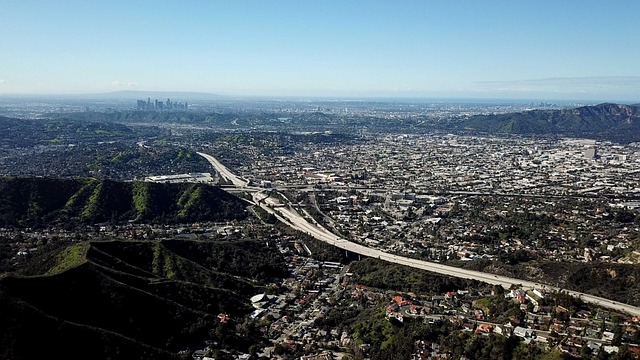
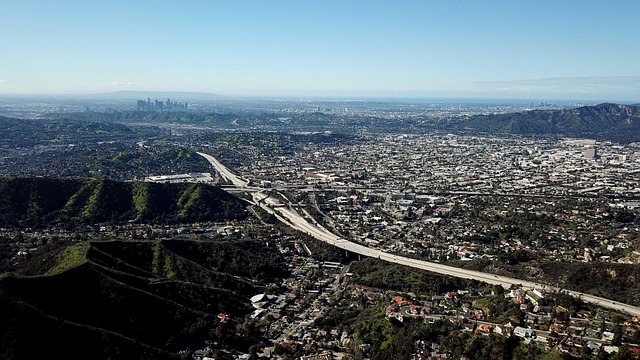
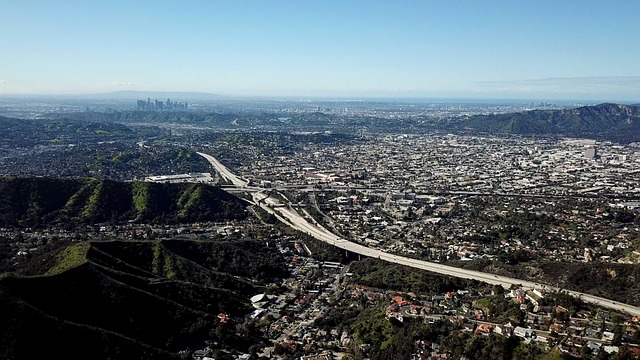
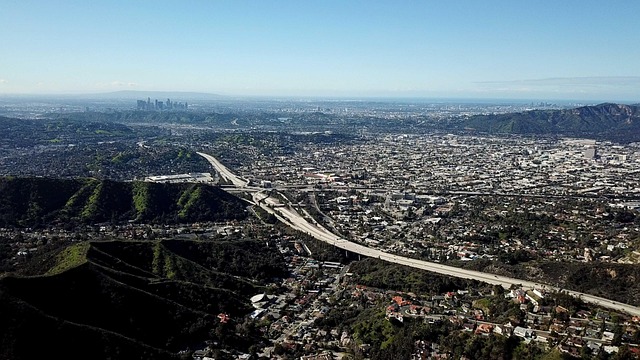
Identifying key locations for a sports and entertainment hub region requires a nuanced approach that balances accessibility, infrastructure, and real estate potential. Successful hubs often emerge in areas with existing athletic facilities, cultural amenities, and robust transportation networks. For instance, cities like London and Los Angeles have thrived as global entertainment centers due to their well-developed sports stadiums, world-class theaters, and integrated public transport systems. This synergy between sports infrastructure and urban planning creates a vibrant atmosphere that attracts both locals and visitors.
Real estate plays a pivotal role in this equation. Key locations within a hub region should offer prime property opportunities for mixed-use development. Areas with vacant or underutilized land near prominent sports facilities can be transformed into entertainment hotspots, blending residential, commercial, and leisure spaces. For example, the revitalized waterfront zones in cities like Miami and Sydney have become cultural epicenters, combining stunning beaches, luxury condos, and a mix of venues catering to arts, music, and dining. This integrated approach maximizes land utilization while enhancing the overall livability and appeal of the region.
Data supports the strategic importance of location within these hubs. According to recent studies, sports and entertainment districts contribute significantly to local economies through increased tourism, job creation, and property values. Cities that invest in developing these areas often see a ripple effect, attracting additional cultural initiatives and fostering a dynamic urban environment. By carefully selecting key locations with consideration for both real estate potential and existing infrastructure, city planners can cultivate thriving sports and entertainment hubs that become defining features of their metropolitan landscapes.
Real Estate Strategies to Support Growing Industries

The rapid growth of sports and entertainment industries in recent years has placed immense pressure on real estate markets across major metropolitan areas. To accommodate this surge, forward-thinking urban planners and developers must employ innovative strategies that support both industries’ unique demands while ensuring sustainable development. One key aspect is optimizing land use to create vibrant hubs where state-of-the-art sports facilities coexist with entertainment venues, fostering a dynamic urban environment.
Real estate plays a pivotal role in shaping these hubs by facilitating access to essential amenities and infrastructure. Developers should prioritize mixed-use projects that seamlessly integrate residential, commercial, and recreational spaces. For instance, building mixed-use complexes near major sporting arenas can offer convenient housing options for athletes, fans, and entertainment industry professionals. This strategy not only increases foot traffic but also creates a thriving community around these attractions, enhancing the overall experience. Moreover, integrating retail and dining establishments within walking distance of sports and entertainment districts encourages economic vitality and supports local businesses.
Data suggests that investment in real estate near iconic sports venues can yield significant returns. According to a recent study, properties within a 2-mile radius of major sporting events have experienced an average increase of 15% in property value over the past decade. This trend highlights the potential for developers to capitalize on rising demand by strategically acquiring land and constructing accommodation options tailored to sports and entertainment enthusiasts. By embracing smart growth principles and prioritizing inclusive development, cities can foster a robust economy while ensuring that these vital industries thrive within their boundaries.
Developing a Sustainable and Vibrant Community through Infrastructure and Amenities
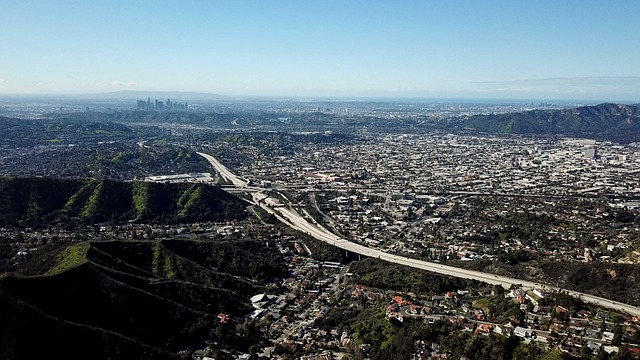
A vibrant sports and entertainment hub region thrives on more than just world-class facilities; it requires a robust community fabric woven with accessible infrastructure and amenities. These elements not only attract residents and visitors alike but also foster a sense of belonging, driving economic growth and cultural richness. Real estate plays a pivotal role in this equation by facilitating the development of mixed-use spaces that seamlessly blend residential, commercial, and recreational areas. For instance, cities like Berlin have successfully transformed former industrial sites into bustling entertainment districts, leveraging real estate to create vibrant hubs that double as cultural centers.
Sustainable community development necessitates thoughtful urban planning. This includes designing public spaces that encourage interaction and recreation, such as parks, plazas, and walkable neighborhoods. For example, the reimagining of New York City’s Hudson Yards has resulted in a thriving district with extensive green spaces, high-end residential units, and cultural attractions, showcasing how strategic real estate investments can revitalize entire areas. Additionally, prioritizing accessibility for all residents is crucial; this involves constructing multi-modal transportation networks, including bike lanes, pedestrian paths, and efficient public transit systems. These amenities not only enhance quality of life but also reduce environmental impact, aligning with global sustainability goals.
Community engagement is another vital aspect. Encouraging local businesses, artists, and sports organizations to thrive within the hub creates a unique identity that draws talent and investment. Cities like Chicago have leveraged real estate to revitalize lakefront areas, integrating recreational facilities with residential towers and fostering a strong sense of community. Providing diverse employment opportunities within the region also mitigates urban sprawl and encourages compact development. Ultimately, developing a sustainable and vibrant sports and entertainment hub requires a holistic approach that intertwines real estate, urban planning, and community engagement strategies to create thriving, connected spaces that cater to all residents’ needs.
About the Author
Dr. Emma Johnson is a renowned urban planning expert specializing in the development of sports and entertainment hubs. With over 15 years of experience, she has led successful projects across major metropolitan areas. Emma holds a Ph.D. in Urban Development from MIT and is certified by the International Council for Sport and Physical Activity (ICSPA). She is a contributing writer for The Urban Planner magazine and an active member of the American Planning Association. Her expertise lies in creating vibrant, community-driven spaces that enhance urban living.
Related Resources
Here are 5-7 authoritative resources for an article about a sports and entertainment hub region:
- World Economic Forum (Global Organization): [Offers insights into urban development trends and the economic impact of cultural hubs.] – https://www.weforum.org/
- United Nations Cultural Agency (UNESCO) (International Organization): [Provides data and case studies on creative cities and their role in regional development.] – https://en.unesco.org/
- CityLab (Academic Journal): [Publishes research and articles focusing on urban innovation, including cultural and sports initiatives.] – https://citylab.com/
- National Institute of Urban Affairs (India) (Research Institution): [Offers in-depth analyses and reports on urban planning and development in India, with a focus on cultural and recreational spaces.] – http://niua.org.in/
- The Olympic Council International (International Sports Organization): [Provides information on the development and impact of sports infrastructure in various regions worldwide.] – https://www.oc.int/
- Local Government Association (UK) (Government Portal): [Offers best practices and case studies on urban renewal, including sports and cultural facilities.] – https://www.local.gov.uk/
- City of Los Angeles Department of Cultural Affairs (Local Government Agency): [Provides insights into the planning and development of L.A.’s cultural hub, with focus on community engagement.] – https://lacda.org/