Sports and entertainment districts hold immense revitalization potential for urban areas, driving economic growth through diverse business attractions, enhanced property values, and increased foot traffic. Real estate investors can strategically plan these zones into vibrant hubs fostering social interaction and cultural exchange, creating lasting value. Key factors include accessibility, infrastructure, and community engagement. In real estate, understanding market trends and consumer behaviors is crucial. Digital tools and strong client relationships enhance approachability. Developers must prioritize community impact and social fabric preservation through sustainable development practices to integrate green spaces, affordable housing, and inclusive amenities, ensuring long-term growth and inclusivity.
“Unleashing the Power of Sports and Entertainment: A Region’s Transformative Journey
This article explores the potential of establishing a vibrant sports and entertainment hub, driving economic growth through strategic real estate development. We delve into the evaluation process for identifying promising locations, showcasing successful real estate strategies to attract world-class attractions, and highlighting the importance of community engagement in urban planning. By balancing development with local impact, regions can create dynamic spaces that cater to diverse audiences, leaving a lasting legacy.”
Evaluating the Potential for Sports and Entertainment Districts

The potential for sports and entertainment districts to revitalize urban areas is immense, especially in terms of real estate development. These hubs can attract a diverse range of businesses, from sports-related merchandise stores to dining and entertainment venues, creating a vibrant atmosphere that attracts locals and tourists alike. The strategic planning and implementation of such districts can lead to significant economic growth by enhancing property values and increasing foot traffic.
Evaluating the success of these districts requires examining factors like accessibility, infrastructure, and community engagement. Well-designed sports and entertainment zones can become the heart of a city, fostering social interaction and cultural exchange. Real estate investors should consider the long-term benefits of such developments, which can create lasting value for surrounding properties and contribute to the overall vitality of the region.
Real Estate Strategies to Attract Top Attractions
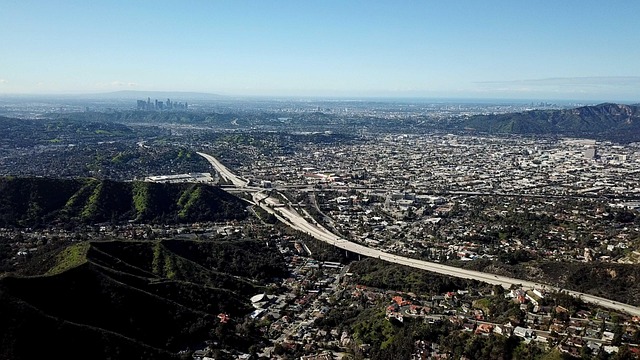
Balancing Urban Development with Community Impact

In the quest to establish a vibrant sports and entertainment hub, striking a balance between urban development and community impact is paramount. The rapid urbanization often associated with such projects can lead to significant changes in the social fabric of existing neighborhoods. Real estate developers must actively engage with local communities to ensure that new constructions enhance, rather than disrupt, the areas they inhabit.
This involves integrating green spaces, promoting affordable housing options, and fostering community amenities that cater to diverse demographics. By prioritizing inclusive development practices, the hub can become a thriving center not just for sports and entertainment, but also for cultural exchange and social cohesion. Such an approach ensures that the region’s growth is sustainable and beneficial for both its residents and visitors alike.