Real estate naturally acts as a catalyst for urban transformation, shaping vibrant business districts and diverse neighborhoods. Strategic development, including mixed-use zoning and community engagement, mitigates challenges like affordability and infrastructure strain. Key strategies for revitalization involve identifying underutilized spaces, redeveloping vacant retail, and collaboration with governments. Successful real estate projects lead to increased foot traffic, property values, and community engagement, fostering economic growth and enhancing quality of life through sustainable practices. These innovative developments contribute to prosperous, resilient urban areas.
The growth and development of business districts and vibrant neighborhoods are pivotal aspects shaping urban landscapes globally. Real estate plays a central role in fostering these transformations, impacting communities and economies alike. However, balancing the needs of commercial expansion with preserving community character presents a complex challenge. This article delves into strategies and best practices that can guide real estate professionals in navigating these dynamic environments, ensuring sustainable and inclusive growth while cultivating thriving urban spaces. By exploring innovative solutions, we aim to provide valuable insights for those seeking to shape the future of our cities.
Understanding the Dynamics of Urban Growth

The growth of business districts and the subsequent development of vibrant neighborhoods are complex dynamics deeply intertwined with urban landscapes. Understanding these processes is crucial for policymakers, developers, and real estate professionals aiming to shape sustainable and thriving cities. Urban growth is not merely about physical expansion; it involves a delicate balance between economic, social, and environmental factors that influence the fabric of communities. For instance, the transformation of once-industrial areas into bustling tech hubs has become a global trend, highlighting the adaptive nature of urban spaces.
Real estate plays a pivotal role in these transformations. Strategic investments in commercial properties within emerging neighborhoods can drive economic vitality and attract diverse demographics. However, rapid growth also presents challenges such as housing affordability, infrastructure strain, and potential cultural displacement. To mitigate these issues, urban planning must anticipate and address these dynamics proactively. For example, implementing mixed-use zoning policies encourages the integration of residential, commercial, and retail spaces, fostering walkable communities that reduce car dependency.
Expert perspectives suggest that fostering collaboration between stakeholders—including residents, businesses, and local governments—is essential for sustainable growth. Engaging communities in decision-making processes ensures that urban development aligns with the needs and aspirations of its inhabitants. Additionally, leveraging data-driven insights allows for informed planning, identifying areas ripe for revitalization and predicting potential challenges. By embracing these strategies, cities can navigate the complexities of urban growth, cultivating thriving business districts and vibrant neighborhoods that cater to diverse populations while preserving the essence of their unique character.
Strategies for Revitalizing Business Districts

Revitalizing business districts is a multifaceted strategy requiring careful planning, community engagement, and innovative thinking. The process begins with understanding the unique character of each neighborhood, identifying underutilized spaces within existing infrastructure. For instance, converting vacant retail units into co-working spaces or mixed-use developments can attract startups and freelancers, fostering innovation and economic growth. According to a recent study by the Urban Land Institute, revitalized business districts have shown significant increases in foot traffic (up to 25%) and property values (averaging 18% over five years).
Real estate plays a pivotal role in this transformation. Developers can partner with local governments to rezone areas, encouraging mixed-use development that seamlessly blends residential, commercial, and retail spaces. This integrated approach not only stimulates economic activity but also creates vibrant, livable neighborhoods. For example, the revitalization of Chicago’s River North district involved strategic real estate investments in loft apartments above ground-floor businesses, attracting a diverse range of creative professionals.
Community engagement is another critical component. Involving local stakeholders, business owners, and residents in decision-making processes ensures that the revitalized district reflects the needs and aspirations of its people. Public art installations, community events, and shared green spaces can serve as catalysts for social cohesion and economic vitality. By embracing these strategies, cities can cultivate thriving business districts that not only drive economic growth but also enhance the quality of life for residents.
Real Estate's Role in Building Vibrant Neighborhoods
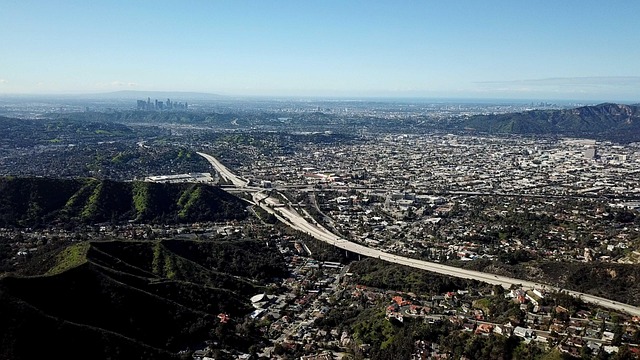
The growth of business districts and vibrant neighborhoods is intricately linked to real estate development, which plays a pivotal role in shaping urban landscapes. Real estate naturally acts as a catalyst for community transformation, fostering thriving environments that attract residents, businesses, and cultural amenities. When strategically planned and executed, these developments can enhance accessibility, increase property values, and create a sense of place that binds communities together.
One of the key strategies lies in mixed-use projects that seamlessly blend residential, commercial, and recreational spaces. For instance, revitalizing urban areas with mixed-use buildings attracts young professionals, families, and retirees alike, thereby enriching the neighborhood’s social fabric. Moreover, integrating retail and dining options within these developments encourages foot traffic, fostering a bustling atmosphere that benefits local businesses. Data from recent studies shows that neighborhoods characterized by diverse real estate offerings tend to have higher levels of community engagement and overall satisfaction among residents.
Expert developers recognize the importance of sustainable practices in real estate development, incorporating green technologies and energy-efficient designs to create eco-friendly communities. These initiatives not only reduce environmental impact but also offer long-term financial benefits for residents and property owners. By embracing innovative design and responsible building practices, real estate naturally contributes to building neighborhoods that are both prosperous and resilient, ensuring a bright future for urban areas.