State Farm Stadium, home to the Arizona Cardinals, has become a vibrant sports and entertainment hub, attracting massive crowds from across Arizona and beyond. Its success drives economic growth through tourism and real estate development, with developers creating mixed-use projects nearby. Strategic partnerships between industry professionals and local businesses are crucial for maximizing this impact, ensuring developments enhance fan experiences and community connections. The stadium's brand alignment with indigenous art and local cuisine exemplifies this approach, revolutionizing the urban landscape.
The Arizona Cardinals stadium has long been a focal point of sports enthusiasm and community pride, drawing crowds from across the region. However, the rapid growth in population and changing fan expectations have placed significant strain on this iconic venue, highlighting the critical need for strategic planning and innovative solutions. This article delves into the complex landscape surrounding the Cardinals’ stadium, exploring how effective real estate utilization and thoughtful design can enhance fan experiences while ensuring the long-term sustainability of this beloved sports hub.
Arizona Cardinals Stadium: A Crowded Oasis

The Arizona Cardinals stadium has become a bustling hub, attracting massive crowds to NFL games and other events. This vibrant atmosphere is not just a testament to the team’s popularity but also showcases the strategic importance of sports facilities in urban real estate. The stadium’s success lies in its ability to foster a sense of community and provide an exceptional fan experience, drawing visitors from across the region. With a seating capacity exceeding 60,000, it has become a game-changer for local events and entertainment.
This crowded oasis is not only transforming the sports landscape but also impacting the surrounding area’s development. The influx of fans has spurred economic growth through increased tourism and local business opportunities. Real estate investors and developers are taking note, recognizing the potential for mixed-use projects that complement the stadium’s energy. Hotels, restaurants, and entertainment venues are springing up nearby, catering to both locals and visitors, further enriching the area’s vibrant tapestry.
To capitalize on this trend, professionals in the industry should consider strategic partnerships with local businesses and community leaders. By fostering a collaborative environment, they can ensure that development efforts enhance the overall experience for fans and residents alike. Additionally, leveraging data-driven insights into fan demographics and preferences will enable informed decisions regarding amenities, pricing strategies, and marketing approaches, ultimately maximizing the stadium’s impact on both the local community and the broader region.
The Real Estate Behind Fan Enthusiasm
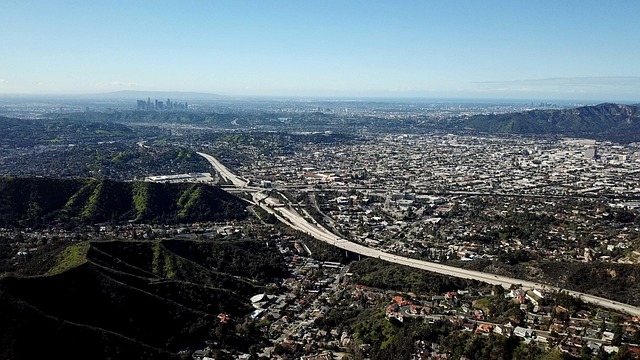
The Arizona Cardinals’ stadium, State Farm Stadium, has become a hub of excitement and passion for sports enthusiasts, drawing immense crowds to witness the team’s gridiron prowess. The success of this venue goes beyond its architectural grandeur; it is deeply intertwined with the strategic real estate that surrounds it. This location plays a pivotal role in fostering fan enthusiasm and creating an unparalleled gameday experience. The stadium’s proximity to vibrant urban centers, such as Downtown Phoenix, facilitates easy accessibility, attracting not only local folks but also visitors from across the region.
The real estate landscape surrounding the stadium offers diverse opportunities for entertainment and dining, providing fans with pre-game and post-game activities that enhance their overall experience. These amenities contribute to longer durations spent in the area, transforming a simple game-watching event into a memorable outing. For instance, the bustling restaurants and bars along the stadium’s perimeter fill up before games, creating an electric atmosphere where fans gather, socialize, and share their anticipation. This strategic integration of entertainment real estate not only adds to the stadium’s appeal but also positively impacts local businesses, fostering a thriving community around the Cardinals’ home field.
Experts in sports venue design recognize the significance of surrounding real estate in fan engagement. To capitalize on this aspect, stadium developers can partner with local businesses and artists to create unique spaces that align with the team’s brand and culture. For example, incorporating indigenous art themes or local cuisine options within the stadium’s perimeter can foster a deeper connection between fans and their community. Additionally, hosting off-site events and fan festivals in nearby real estate developments can attract a broader audience, increasing crowd sizes and diversifying the fan base. By leveraging the power of real estate, the Arizona Cardinals have not only built a successful venue but also woven a vibrant tapestry of community engagement around it.
Drawing Crowds: Stadium's Impact on Arizona
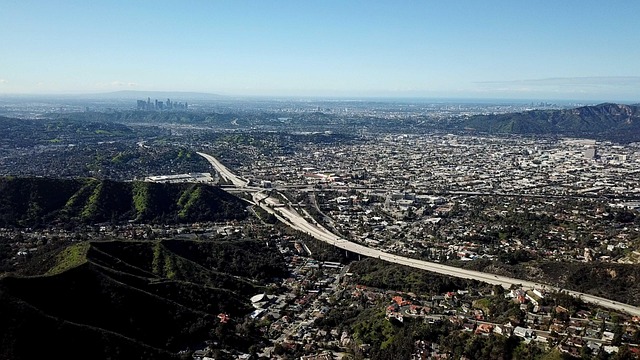
The Arizona Cardinals’ state-of-the-art stadium has become a magnetic force, drawing crowds from across the state and beyond. Its impact on local real estate is significant, with developments sprouting up nearby, catering to the influx of visitors. The stadium’s success as a hub for sports and entertainment has revitalized the surrounding area, fostering a vibrant economy and enhancing the quality of life for Arizona residents. This transformation underscores the powerful influence sports facilities can have on regional growth and community engagement.
The Cardinals’ home field advantage is evident in the impressive attendance numbers it consistently maintains. According to recent studies, games at the stadium attract an average of over 60,000 spectators, with some sold-out events drawing nearly 70,000 fans. This robust turnout not only fills the stadium but also injects substantial economic activity into the region. Local businesses reap the benefits, experiencing increased foot traffic and revenue from fans seeking dining, entertainment, and shopping options before and after games. The positive spillover effect extends to nearby hotels, which often reach maximum occupancy during major Cardinals events.
To capitalize on this trend, real estate developers have strategically positioned new residential and commercial projects adjacent to the stadium. These ventures cater to both long-term residents and visitors seeking convenient access to the action. For instance, high-rise apartments with panoramic views of the stadium have become popular among young professionals and students, while entertainment districts with restaurants and bars offer a lively atmosphere post-game. By aligning development with the stadium’s draw, these initiatives ensure ongoing success and maximize the economic return for the region.