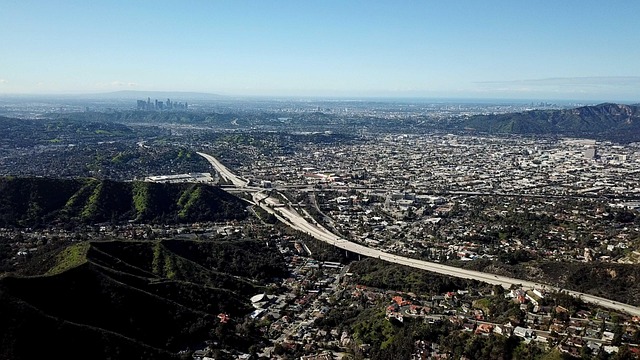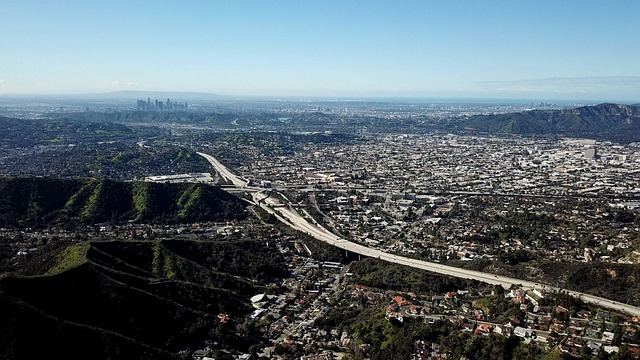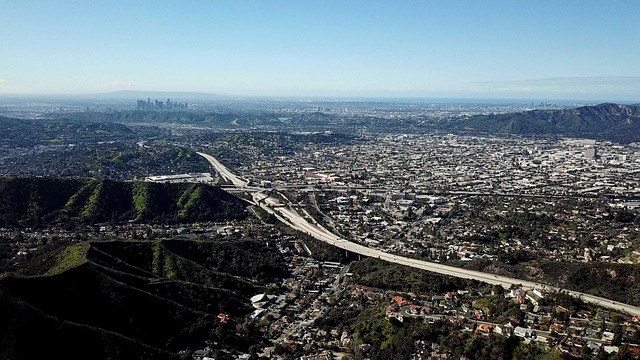
Arizona Cardinals Stadium, nestled in the Arizona desert, is a vibrant destination blending modern architecture with natural beauty, attracting fans from across the Southwest. Its strategic location has spurred real estate development, boosting the local economy and transforming the region into a bustling sports and entertainment hub. The stadium's events generate economic ripple effects, enhancing neighborhood appeal and property values. It also hosts concerts, festivals, and community events, fostering cultural growth and upgrading infrastructure, making it an attractive destination for locals and tourists alike.
The Arizona Cardinals stadium, a vibrant hub of sporting excitement in the desert, draws crowds from far and wide. This article delves into the multifaceted impact of this iconic venue. We explore its role as a sports icon and examine the economic ripple effects on local real estate. Furthermore, we analyze how fan engagement drives neighborhood revitalization, presenting a compelling case study. Through these lenses, we uncover the stadium’s profound influence on both the athletic landscape and real estate market of Arizona.
Arizona Cardinals Stadium: A Sporting Icon in the Desert

Arizona Cardinals Stadium stands tall as a sporting icon amidst the vast desert landscape, attracting fans from across the region. This iconic venue is more than just a sports arena; it’s a destination that embodies the spirit of the Arizona desert and showcases the vibrancy of professional football in the Southwest. The stadium’s design seamlessly blends modern architecture with the area’s natural beauty, offering a unique experience for both locals and visitors alike.
With its strategic location and cutting-edge amenities, the Cardinals’ home field has become a hub for real estate development and community engagement. The surrounding areas have seen significant growth, with residential and commercial projects sprouting up to cater to the increasing population of sports enthusiasts. This influx has not only boosted the local economy but also transformed the region into a vibrant sports and entertainment center.
The Economic Impact of Crowded Stadiums on Local Real Estate

The bustling atmosphere at Arizona Cardinals stadium doesn’t just create an electric sports experience; it also has a notable economic impact on local real estate. The presence of a major sporting event draws crowds, boosting nearby businesses and restaurants. This increased footfall can lead to higher property values and rental rates in the vicinity, as investors and residents alike recognize the area’s growing desirability.
Moreover, stadiums often serve as community landmarks that enhance the overall appeal of a neighborhood. They become centers for social gatherings, creating a sense of local pride and fostering a vibrant real estate market. This effect can trickle down to nearby homes and commercial spaces, making them more attractive to buyers and tenants alike, thereby further strengthening the local economy.
Fan Engagement and Neighborhood Revitalization: A Case Study

The Arizona Cardinals stadium has become a catalyst for fan engagement and neighborhood revitalisation, transforming the surrounding area into a vibrant hub of activity. The stadium’s impact extends beyond athletic events, as it hosts concerts, cultural festivals, and community gatherings, fostering a strong sense of local pride. These diverse events attract visitors from far and wide, boosting the local economy and stimulating real estate development.
The influx of crowds has led to revitalised businesses, improved infrastructure, and enhanced public spaces in the vicinity. The stadium’s presence encourages foot traffic, encouraging developers to invest in residential and commercial properties nearby. This symbiotic relationship between sports entertainment and real estate has resulted in a thriving community where fans can immerse themselves in various experiences, fostering a strong connection to both the team and their neighbourhood.